Tips for Creating a Relaxing and Productive Home Office Space
Creating a home office that balances productivity with relaxation can make your work-from-home experience much more enjoyable and efficient. Whether you have a dedicated room or a small corner in your living space, thoughtful design and organization can transform your workspace into a place where you feel motivated and at ease. Below are some useful tips to help you create a home office that nurtures both focus and calm.
Choose the Right Location
Natural Light is Key
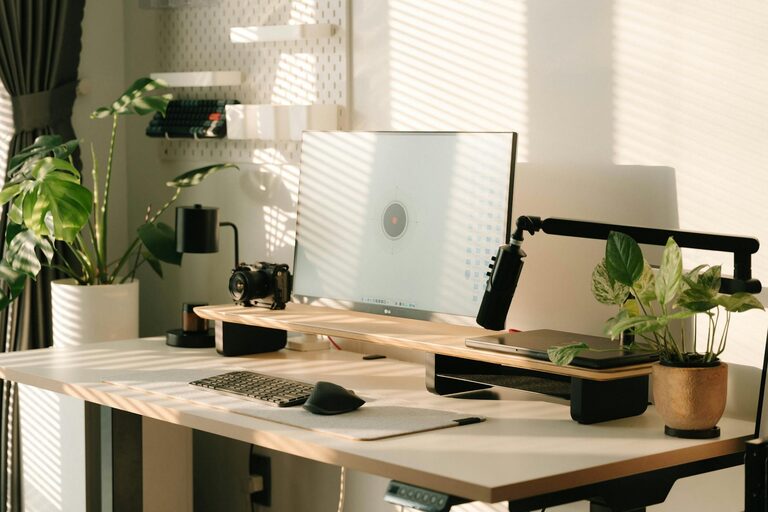
If possible, set up your office near a window. Natural light helps reduce eye strain and improves mood and energy levels. Position your desk to take advantage of the daylight without creating glare on your screen.
Minimize Distractions
Pick a spot away from high-traffic areas and noise. If that’s not possible, consider noise-canceling headphones or a white noise machine to maintain concentration.
Invest in Comfortable and Ergonomic Furniture
Desk and Chair
Select an ergonomic chair that supports your back and promotes good posture. Your desk should be at a comfortable height to avoid strain on your wrists and shoulders.
Add a Footrest or Standing Desk
For added comfort, consider a footrest to reduce lower back pressure. Alternatively, a sit-stand desk can help you change positions throughout the day.
Organize Your Space Efficiently
Declutter Regularly
A clutter-free desk reduces stress and helps you focus. Keep only essential items on your workspace and store other supplies in drawers or shelves.
Use Functional Storage Solutions
Invest in organizers, shelves, or filing cabinets to keep papers, gadgets, and stationery neatly arranged.
Personalize Without Overdoing It
Add Soothing Elements
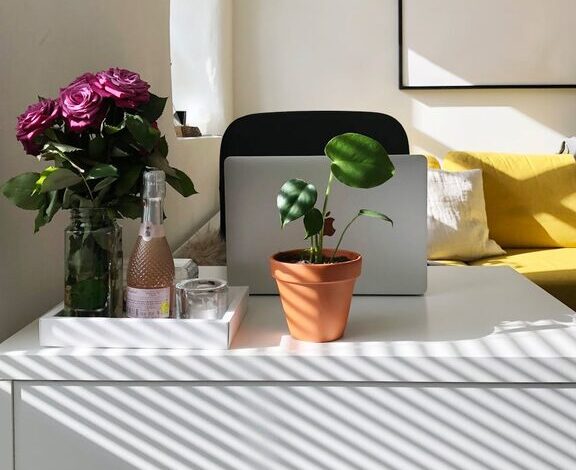
Incorporate plants, artwork, or décor that makes the space inviting but isn’t distracting. Plants can improve air quality and bring a touch of nature indoors.
Use Calming Colors
Choose paint or décor in soft, neutral colors like blues, greens, or warm earth tones to create a relaxing atmosphere.
Optimize Lighting
Layer Your Lighting
Complement natural light with a combination of overhead lights, desk lamps, and ambient lighting. Adjustable task lighting helps reduce eye strain during detailed work.
Avoid Harsh Fluorescent Lights
Use bulbs that emit warm or natural light instead of harsh fluorescent lighting, which can cause fatigue.
Set Boundaries Between Work and Relaxation
Define the Workspace
Keep work-related materials within your home office area. Avoid working from the couch or bed to help mentally separate work time from personal time.
Use a Work Schedule
Stick to regular working hours to maintain a healthy work-life balance. Ending work on time can help you unwind once the day is done.
Incorporate Technology Thoughtfully
Cable Management
Use cable organizers or clips to keep cords tidy and prevent a tangled mess on your desk.
Invest in Quality Equipment
A good monitor, keyboard, and mouse can improve comfort and productivity. Consider accessories like a second monitor or headset to enhance your workflow.
Encourage Movement and Breaks
Take Short Breaks
Incorporate brief stretch or walk breaks to reduce physical tension and refresh your mind.
Include Space for Movement
If possible, have a small area for quick stretches or exercises that can help reduce the monotony of sitting.
Maintain Good Air Quality and Temperature
Ventilation
Ensure your workspace is well-ventilated with fresh air. A small fan or air purifier can help improve airflow and comfort.
Keep Comfortable Temperature
Adjust your thermostat or use a portable heater/cooler to maintain a temperature that helps you stay focused without discomfort.
Conclusion
Designing a home office that blends relaxation with productivity takes some planning, but it’s well worth the effort. By choosing the right location, investing in ergonomic furniture, keeping your space organized, and personalizing thoughtfully, you can create an environment where work feels less stressful and more enjoyable. Remember that small changes add up, so start with one or two improvements and build from there. Your ideal home office is the one that helps you do your best work while feeling calm and comfortable.